










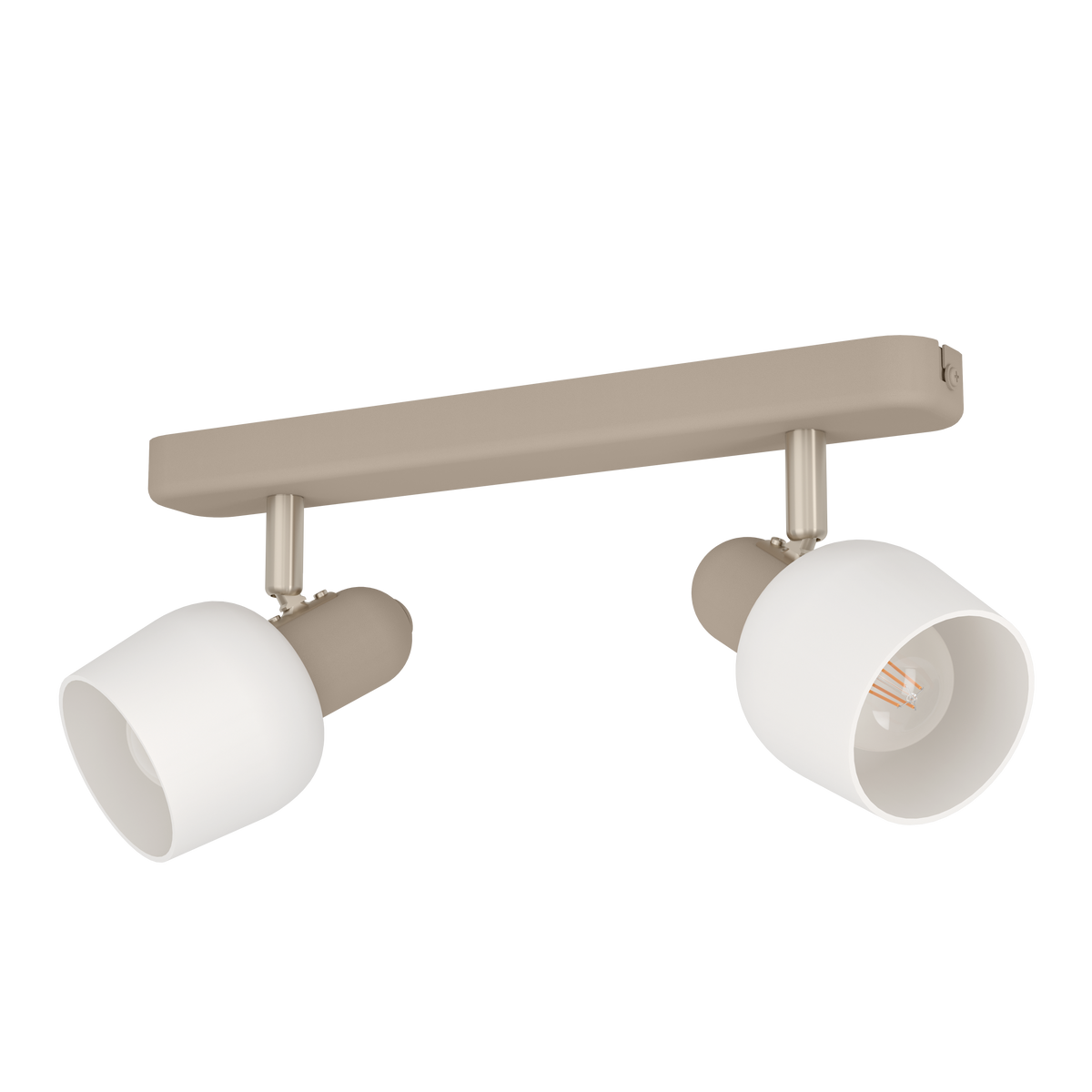


Kitchen Lights at a Glance
Lighting for Countertops and Dining Areas
The right kitchen lighting ensures that you feel comfortable while cooking, preparing food and eating. Good kitchen lighting makes work surfaces easier to see while creating a pleasant atmosphere for shared meals and relaxing moments.
At EGLO, you will find a wide selection of kitchen lights that combine function and design. Whether you have a small kitchen, a spacious family kitchen or an open-plan kitchen and living area, the right lights allow you to illuminate each zone effectively and create the desired atmosphere.
From practical ceiling lights to stylish pendant lights, our kitchen lighting helps you position light exactly where you need it. This allows you to plan your lighting according to the size of the room, how you use it and your interior style.
Kitchen ceiling lights
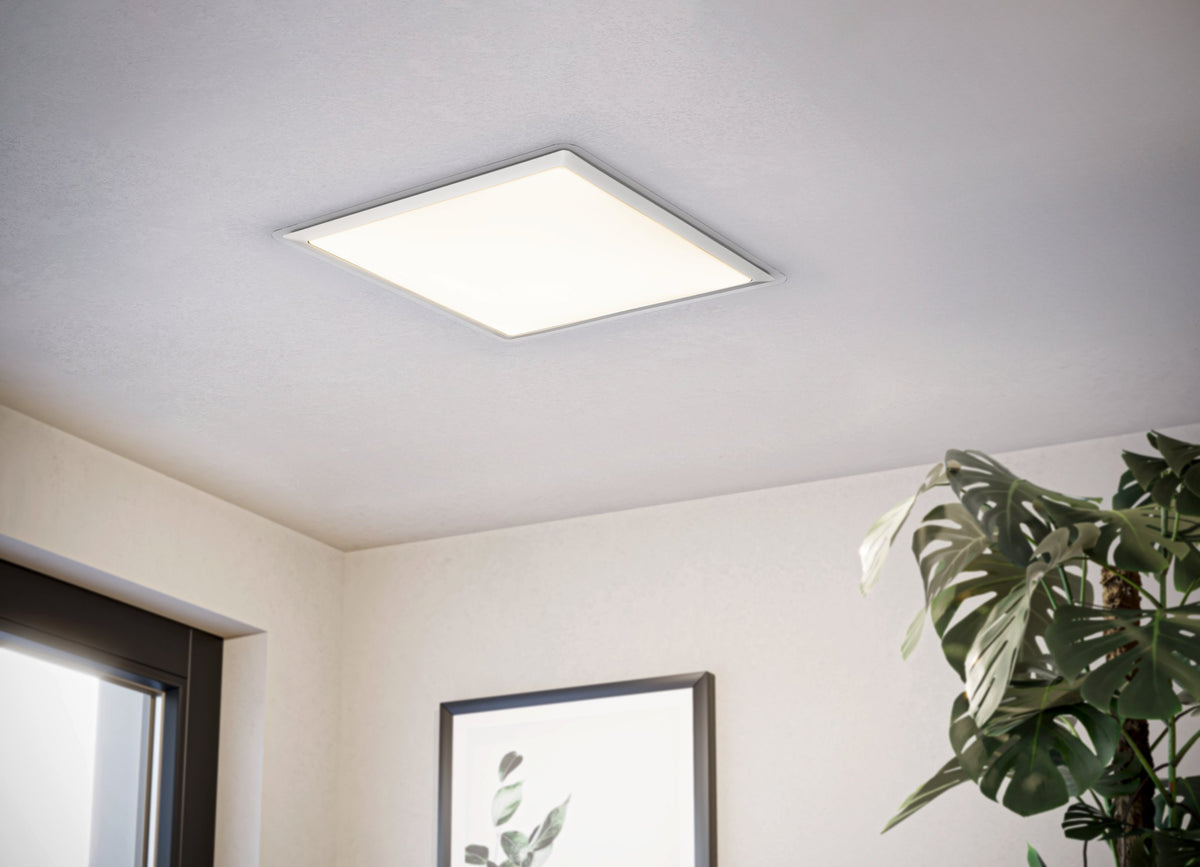
Ceiling lights form the foundation of functional kitchen lighting. With well-positioned lights in the kitchen, you can illuminate the entire room evenly and create a reliable basis for additional light sources.
For good general lighting, you should plan for approximately 250 to 300 lumens per square metre. In a 10 m² kitchen, this corresponds to around 2,500 to 3,000 lumens. This ensures that worktops, walkways and storage areas remain clearly visible.
Neutral white light with a colour temperature of around 3,300 to 5,300 Kelvin is particularly suitable. This light colour appears clear and functional, supports concentration and makes precise tasks such as chopping, cooking and preparing food easier.
Pendant lights for kitchens and kitchen islands
Pendant lights are ideal for illuminating dining tables and kitchen islands. They direct light exactly where it is needed while adding a stylish accent to the room. As kitchen lights, they are particularly effective at visually separating working and dining areas.
Correct positioning is essential for a pendant light to achieve the best possible effect. The distance between the light and the tabletop or work surface should generally be between 60 and 70 cm. This provides effective illumination without causing glare.
The size of the light also plays an important role. Ideally, it should measure approximately 70 to 75 per cent of the length of the table or kitchen island. This creates a balanced overall appearance and an even distribution of light.
LED kitchen lights
A modern kitchen light with LED technology is practical for everyday use. LEDs provide bright light instantly and offer versatile lighting options for frequently used areas.
For working areas such as kitchen counters or kitchen islands, neutral white light between 3,300 and 5,300 Kelvin is recommended. It creates a clear, functional lighting environment and provides excellent conditions for cooking and preparing food.
In dining areas, the light can be slightly warmer. Warm white light between 2,700 and 3,300 Kelvin creates a cosy atmosphere and makes the transition between the working kitchen and living area particularly pleasant.
Lights with a CCT function offer exceptional flexibility. They allow you to adjust the light colour depending on the situation, from warm white light for shared meals to neutral white light for precise tasks in the kitchen.
Indirect kitchen lighting
Indirect kitchen lighting is a useful addition to the main lighting and gives the room more depth, structure and atmosphere. It creates attractive highlights, softens harsh contrasts and makes the kitchen feel more welcoming.
Typical applications include lighting underneath wall cabinets, behind shelves or inside alcoves. Indirect light can also be installed along plinths to create interesting effects while providing additional orientation. LED strips are particularly suitable for this purpose, as they can be integrated flexibly and produce an even lighting effect.
A carefully planned lighting concept is especially important for kitchens with dark cabinet fronts or worktops. Dark surfaces often reflect only 10 to 20 per cent of the incoming light, meaning shadows form more easily. Additional light sources help illuminate these areas more effectively.
Planning kitchen lighting
Good planning is essential to ensure that your kitchen lights work effectively in everyday life. By using light strategically, you can improve visibility while creating greater comfort and atmosphere.
A combination of three types of lighting has proven particularly effective: general lighting on the ceiling, functional task lighting underneath cabinets and accent lighting, such as indirect light in shelves or alcoves. Together, they create a balanced lighting concept for every situation.
When buying lights for the kitchen, make sure that all important areas are sufficiently illuminated. Key factors include the size and layout of the kitchen, the surfaces used and whether the room is primarily used for cooking and eating or also serves as a living area.
Modern kitchen lights
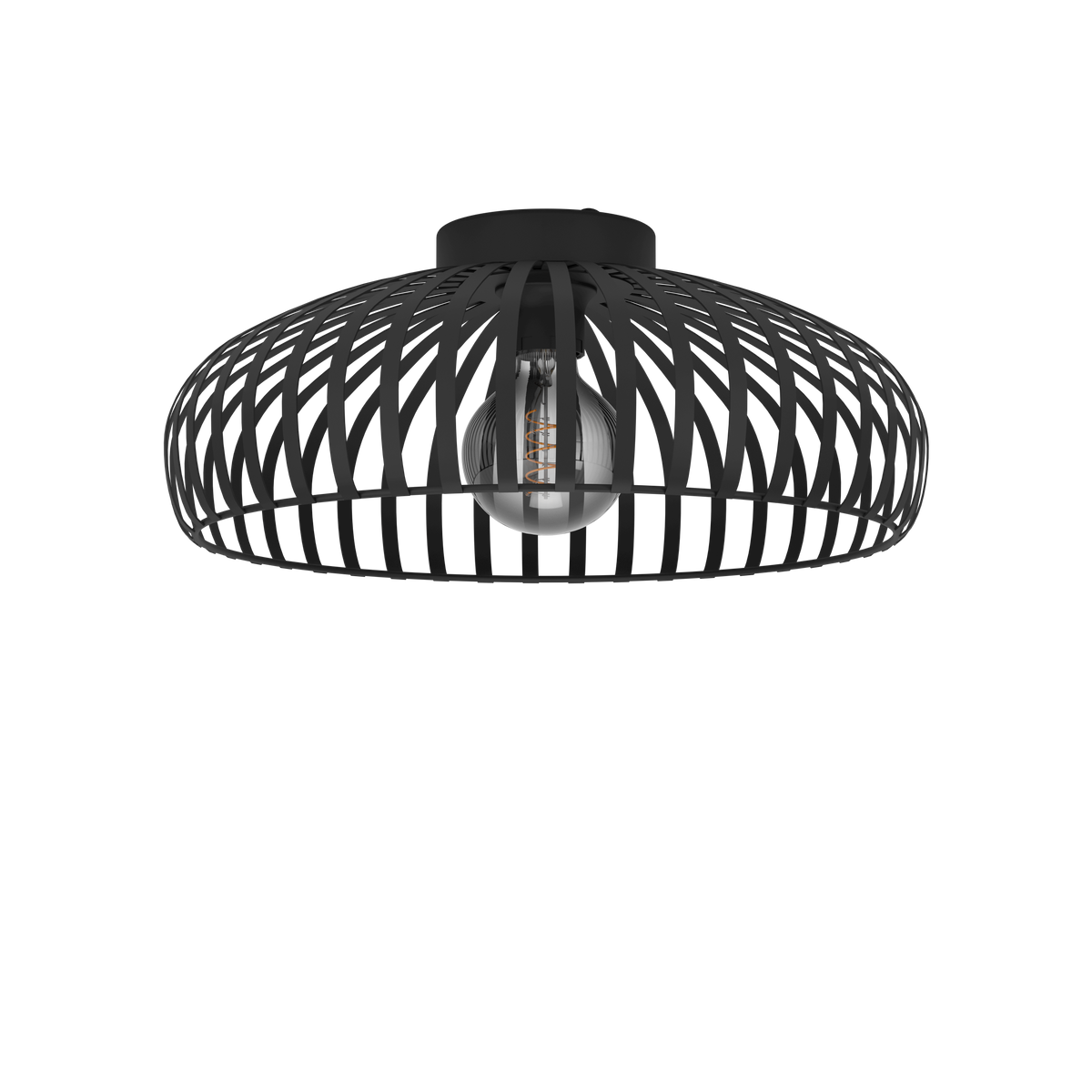
Modern kitchen lights feature clean lines, understated shapes and high-quality materials such as metal, glass and aluminium. They are particularly well suited to open-plan kitchens and create a timeless, uncluttered appearance.
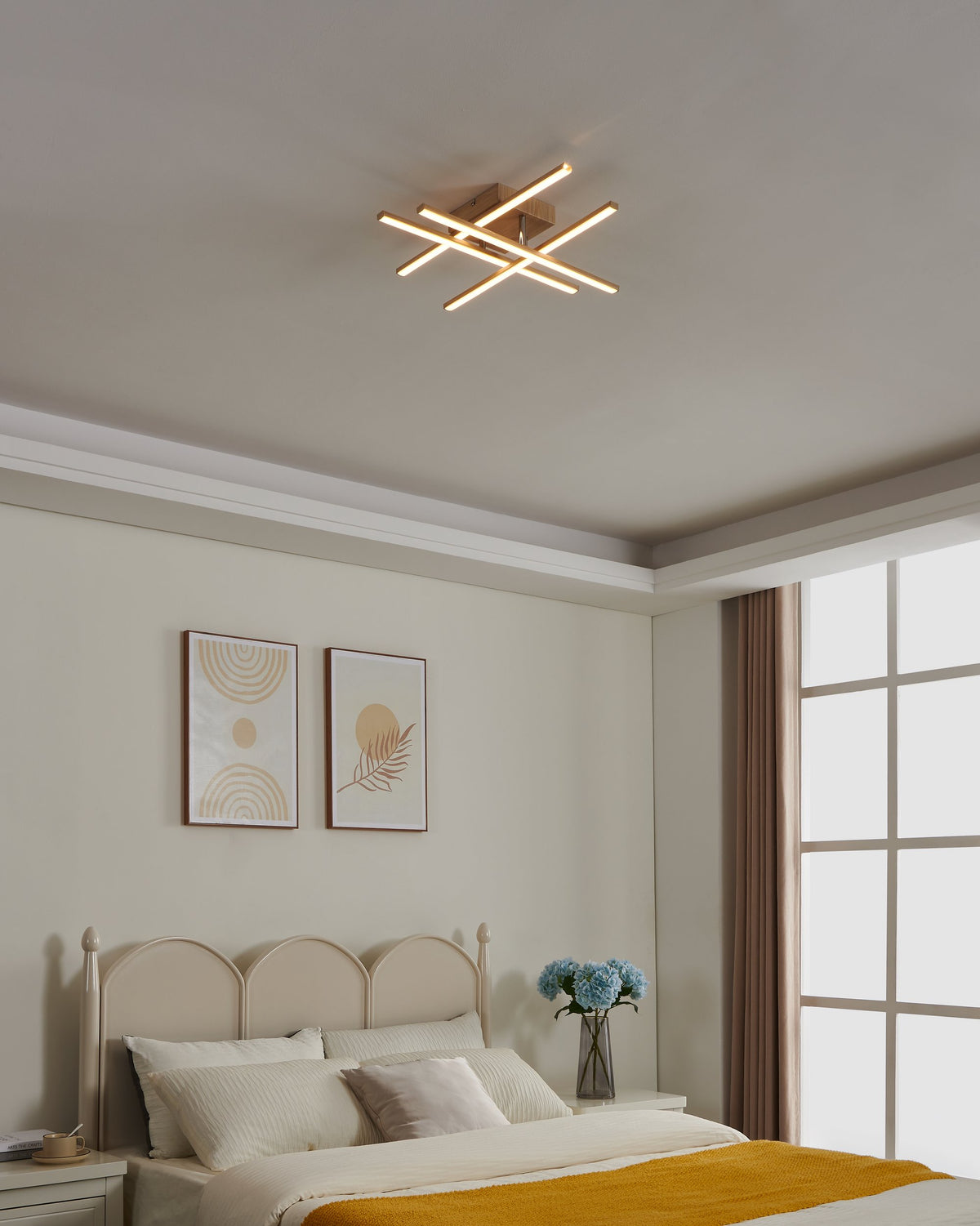
Modern kitchen lighting adds stylish accents to minimalist or urban interiors without dominating the room. At the same time, modern LED technology provides a high level of convenience and efficient illumination.
Country-style kitchen lights
Country-style kitchen lights bring warmth and cosiness into the room. Materials such as wood, ceramic and matt metal emphasise the welcoming character of the interior and create a relaxed atmosphere.
These lights look particularly harmonious and inviting in classic or naturally designed kitchens. Warm white light further enhances the cosy impression and turns the kitchen into a place where people enjoy spending time together.
FAQ
Häufig gestellte Fragen
How many lumens do I need for a kitchen?
Approximately 250 to 300 lumens per square metre are recommended for kitchens. A 12 m² kitchen therefore requires a total light output of around 3,000 to 3,600 lumens.
What light colour is ideal for a kitchen?
Neutral white light with a colour temperature between 3,300 and 5,300 Kelvin is often used in kitchen working areas, as it supports clear and functional illumination. Warmer light colours are frequently preferred for dining and socialising, as they create a cosier atmosphere. Lights with a CCT function are particularly flexible, as the light colour can be adjusted according to your needs.
How many lights should a kitchen have?
At least three light sources are recommended: a ceiling light for general lighting, task lighting for kitchen work surfaces and optional indirect lighting to create additional atmosphere.
How high should a pendant light hang above a kitchen island?
The ideal distance between the pendant light and the work surface is approximately 60 to 70 cm. This provides effective illumination without the light becoming intrusive or causing glare.
What lighting is suitable for small kitchens?
Flat ceiling lights and LED spotlights are particularly suitable for small kitchens. They save space, have an unobtrusive appearance and still provide sufficient brightness.