


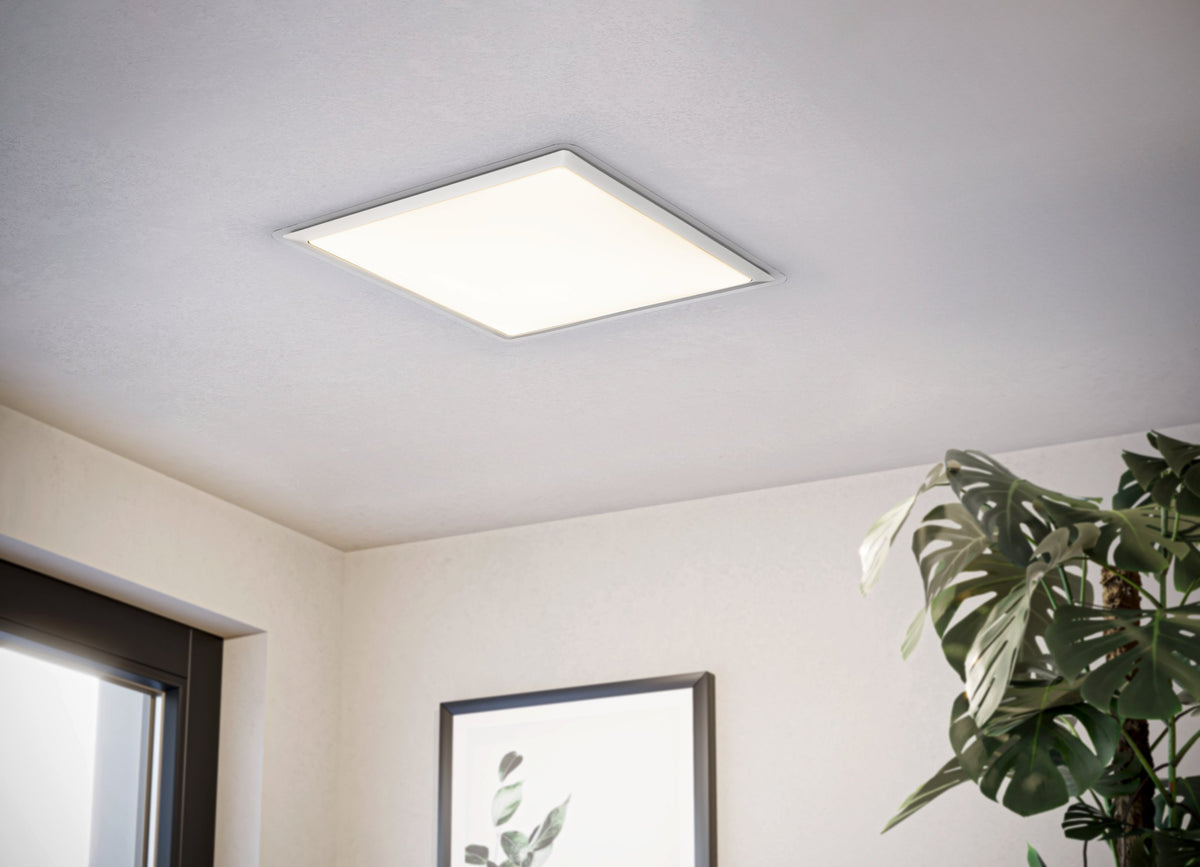


Deckenleuchte
CARLTON 6


Deckenleuchte
MACCLES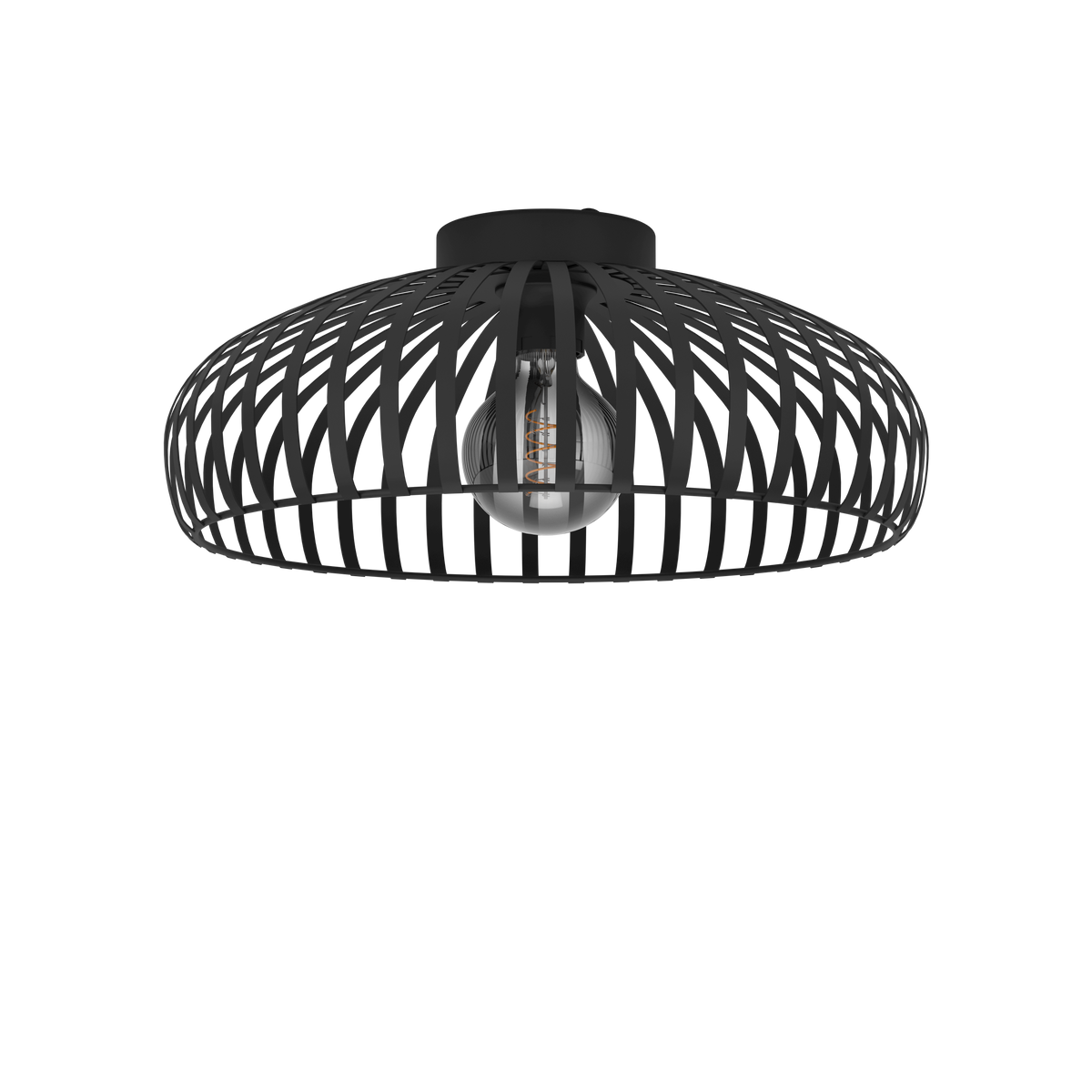

Deckenleuchte
MOGANO 3

Deckenleuchte
VISERBELLA

Spot
CARLTON 7
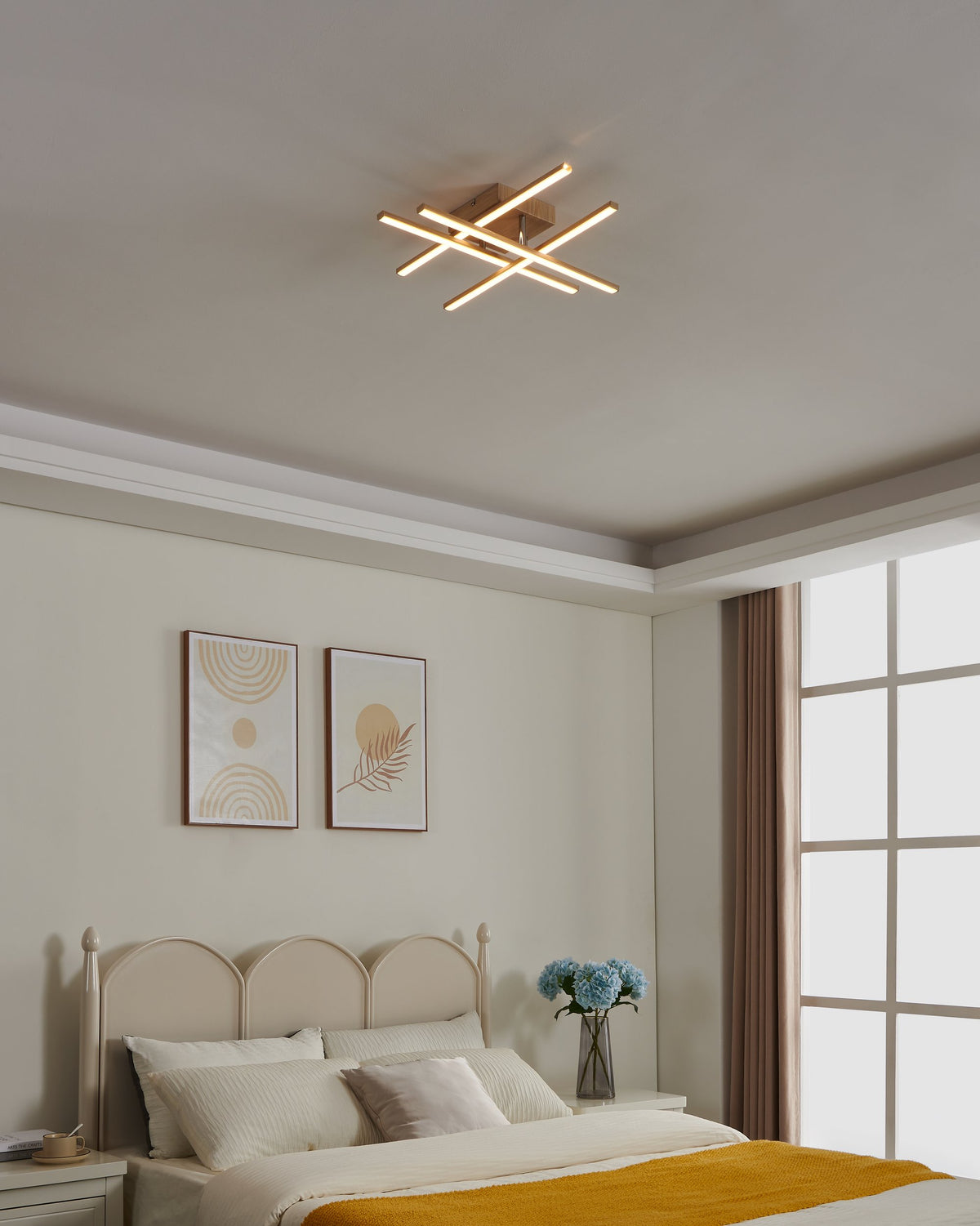


Deckenleuchte
GOROSIBA 1
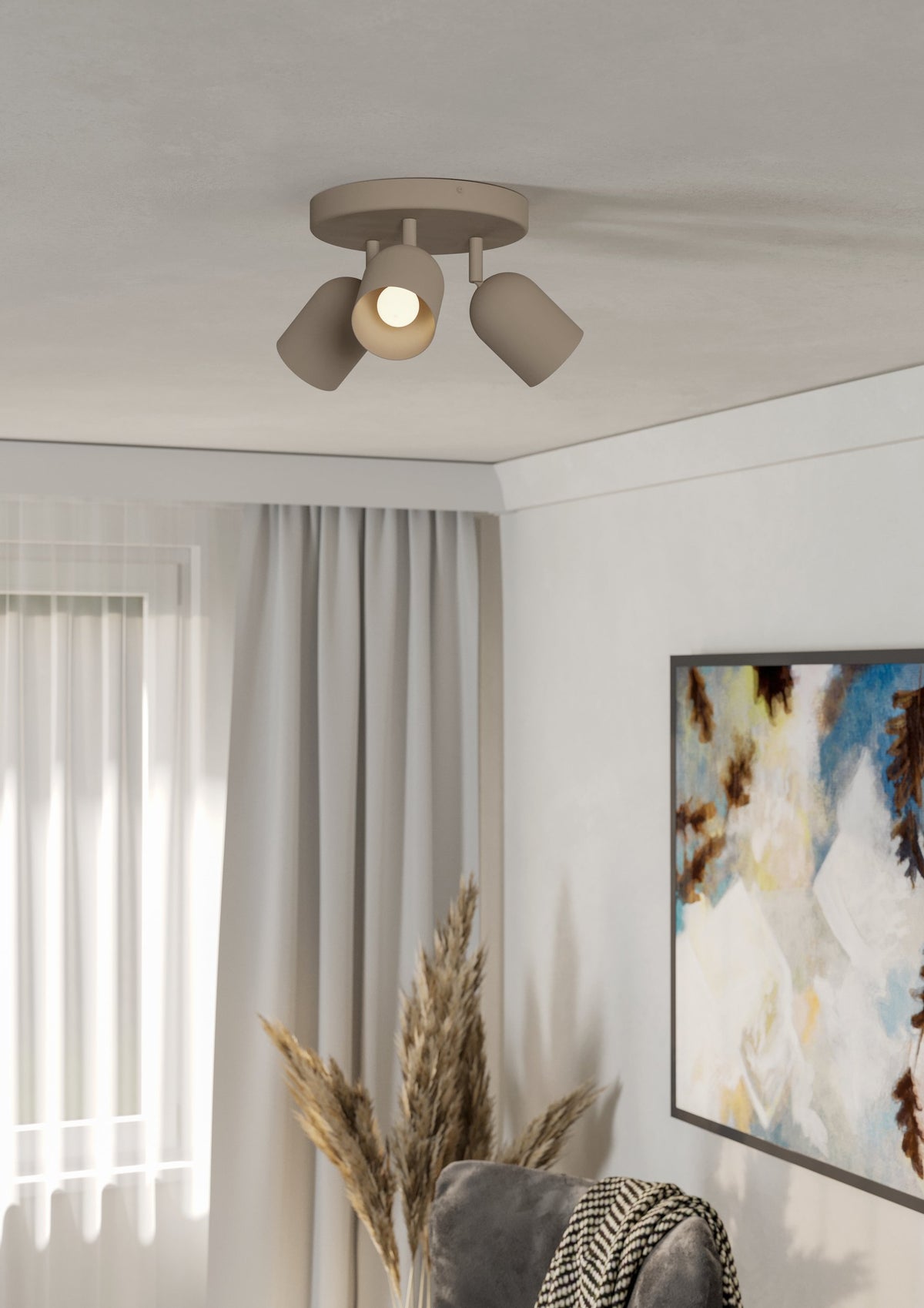
Spot
TILSTON

Spot
ARRECIFE


Deckenleuchte
MOGANO 3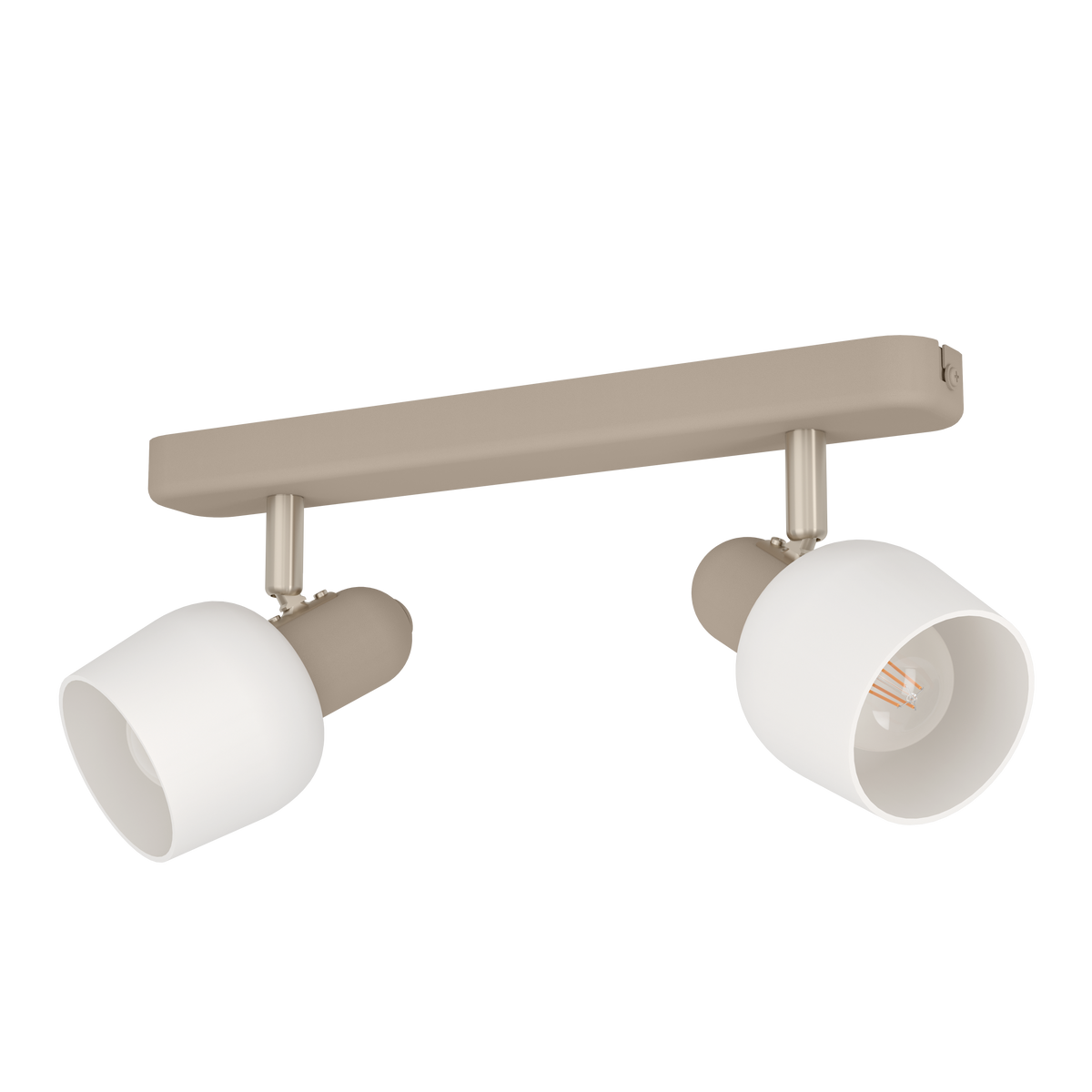

Spot
CORATO


Deckenleuchte
MOHARRAS

Deckenleuchte
ANWICK


Spot
ARRECIFE


Deckenleuchte
LIBERTAD


Kitchen Lights
Practical & Stylish Lighting For Every Kitchen
The right kitchen lighting can make everyday cooking and food preparation easier while helping to create a comfortable and welcoming space for dining and spending time together. From bright task lighting over worktops to softer illumination around dining areas, a well-planned lighting scheme ensures light is available exactly where you need it.
At EGLO, you'll find a wide selection of kitchen lights combining practical illumination with stylish design. Whether you have a compact kitchen, spacious family kitchen or open-plan kitchen and living area, there are lighting solutions to suit different layouts and interior styles.
From practical ceiling lights and spotlights to stylish pendant lights and LED lighting, combining different light sources allows you to illuminate individual areas according to how they are used.
Ceiling Lights For Kitchens
Kitchen ceiling lights often provide the main source of general illumination, helping to distribute light throughout the room and providing a reliable foundation for additional task and accent lighting.
As a general guide, approximately 250–300 lumens per square metre (lm/m²) can provide a useful starting point for kitchen lighting. For example, a 10m² kitchen may require around 2,500–3,000 lumens of total illumination.
The ideal brightness will depend on the kitchen's size, layout, natural daylight, surface colours and additional light sources. Worktops and food preparation areas may require more focused task lighting than walkways or dining areas.
Neutral white light of approximately 3,300–5,300 Kelvin can provide clear, functional illumination for everyday kitchen activities such as chopping, cooking and food preparation.
For larger kitchens, several ceiling lights or spotlights can help distribute illumination more evenly and reduce darker areas throughout the room.
Pendant Lights For Kitchens & Kitchen Islands
Kitchen pendant lights combine practical illumination with decorative appeal and work particularly well above kitchen islands, breakfast bars and dining tables.
Pendant lighting can help visually define different zones within an open-plan kitchen while directing light towards the surface below. This makes kitchen island pendant lights particularly useful where an island is used for food preparation, dining or entertaining.
As a general starting point, the bottom of a pendant can be positioned approximately 60–80 cm above the surface. However, the ideal height will depend on the design and size of the fitting, ceiling height and how the island or table is used. The light should provide effective illumination without obstructing sightlines or interfering with everyday activities.
The proportions of the fitting should also complement the size of the surface below. For a long kitchen island, a linear pendant or several smaller pendants positioned at even intervals can provide balanced illumination.
Rather than following a fixed percentage, consider the length and width of the island, dimensions of the fittings and spacing between each pendant to achieve a balanced appearance.
LED Kitchen Lights
LED kitchen lights provide an energy-efficient and long-lasting solution for a room where lighting may be used frequently throughout the day.
LED technology provides instant illumination and is available across ceiling lights, pendant lights, spotlights and under-cabinet lighting, making it easy to create a coordinated lighting scheme.
For work areas such as kitchen worktops and islands, neutral white light of approximately 3,300–5,300 K can provide clear and practical illumination.
In kitchen dining areas, warm white light of approximately 2,700–3,300 K can create a softer and more welcoming atmosphere for eating and entertaining.
Kitchen lights with adjustable colour temperature or CCT functionality offer even greater flexibility. Depending on the model, you can switch between warmer illumination for relaxing and dining and cooler, clearer light when preparing food or completing other tasks.
Under-Cabinet & Indirect Kitchen Lighting
Under-cabinet lighting is a practical addition to general kitchen lighting because it provides focused illumination directly onto worktops.
Without dedicated task lighting, overhead lights can sometimes create shadows on work surfaces as you stand between the ceiling light and the area where you're working. Installing suitable lights beneath wall cabinets can help reduce these shadows and improve visibility when preparing food.
LED strips and slim under-cabinet lights can provide even illumination while remaining discreet within the kitchen design.
Indirect kitchen lighting can also be incorporated into shelving, niches, cabinets or other architectural features to introduce a softer layer of illumination.
Used alongside ceiling and task lighting, indirect light can add depth and atmosphere to the room, particularly in open-plan kitchens where the space transitions into a dining or living area.
Planning Kitchen Lighting
Effective kitchen lighting design is usually based on several layers of illumination rather than a single central light.
A practical scheme can include:
General lighting: ceiling lights, spotlights or other fittings that illuminate the overall room
Task lighting: focused illumination for worktops, sinks, hobs and food preparation areas
Accent and ambient lighting: indirect lighting, LED strips or decorative fittings that add atmosphere and visual interest
The exact combination will depend on your kitchen layout and how you use the space.
When planning your kitchen lights, consider the position of cabinets, worktops and appliances as well as natural daylight, ceiling height and surface colours. Particular attention should be given to areas where detailed tasks such as chopping and food preparation take place.
Open-plan kitchens may also benefit from different lighting approaches for individual zones. Brighter functional illumination can be used around work areas, while warmer or dimmable lighting can help create a more relaxed atmosphere around dining and living spaces.
Modern Kitchen Lights
Modern kitchen lights combine contemporary design with practical illumination.
Clean lines, minimalist forms and materials such as metal, glass and aluminium work particularly well in modern kitchens and open-plan spaces. Slim LED ceiling lights, linear pendants and contemporary spotlights can provide effective illumination without making the room feel cluttered.
Black, white and metallic finishes can be coordinated with cabinet handles, taps, appliances and other kitchen details to create a cohesive appearance.
Modern LED technology can also introduce additional functionality, with selected fittings offering features such as dimming, adjustable colour temperature or smart controls.
Country-Style Kitchen Lights
Country-style kitchen lighting can introduce warmth, texture and character into more traditional or naturally styled interiors.
Materials and finishes such as wood, glass and matt metal can complement shaker-style cabinetry, wooden worktops and other classic kitchen features.
Pendant lights work particularly well above kitchen islands and dining tables, while ceiling and wall lights can provide additional layers of illumination throughout the room.
Combined with warm white light, country-style kitchen lights can help create a welcoming atmosphere while still providing the practical illumination required for everyday kitchen activities.
FAQ
Frequently Asked Questions
How many lumens do I need for a kitchen?
As a general guide, approximately 250–300 lm/m² can provide a useful starting point for kitchen lighting.
For example, a 12m² kitchen may require around 3,000–3,600 lumens of total illumination.
However, the ideal brightness will depend on the room's layout, natural daylight, colours and surfaces. Worktops and food preparation areas may also require additional task lighting rather than relying solely on general ceiling illumination.
Which light colour is best for a kitchen?
Neutral white light of approximately 3,300–5,300 K can work well around kitchen worktops and food preparation areas because it provides clear, functional illumination.
For dining areas and open-plan living spaces, warm white light of approximately 2,700–3,300 K can create a softer and more welcoming atmosphere.
Kitchen lights with adjustable colour temperature can provide additional flexibility, allowing you to change the appearance of the lighting according to the activity and time of day.
How many lights should a kitchen have?
There is no fixed number of lights that every kitchen needs. The ideal number depends on the size, layout and different functional areas within the room.
Rather than focusing on a specific number of fittings, aim to combine general lighting with dedicated task lighting in important work areas.
For example, ceiling lights can provide overall illumination, under-cabinet lights can brighten worktops and pendant lights can provide additional illumination above an island or dining area.
How high should pendant lights hang above a kitchen island?
As a general starting point, the bottom of a pendant light can be positioned approximately 60–80 cm above the kitchen island.
The ideal height will depend on the dimensions and design of the pendant, ceiling height and how the island is used. Larger fittings may need to be positioned differently to avoid obstructing sightlines.
The aim is to provide effective illumination across the surface while ensuring the fittings do not interfere with everyday activities.
How many pendant lights should I have above a kitchen island?
The number of pendant lights depends on the length of the island and the size and light output of each fitting.
Two or three pendants are a popular arrangement for many kitchen islands, but a single large pendant or linear light can work equally well.
For longer islands, several smaller pendants can be positioned at even intervals to create balanced illumination. Consider the proportions and spacing of the fittings rather than choosing a number based solely on the island's length.
Which lighting is suitable for a small kitchen?
Flush ceiling lights, low-profile LED lights and spotlights can all work particularly well in smaller kitchens because they provide effective illumination without taking up unnecessary visual or physical space.
Under-cabinet lighting is also particularly useful in compact kitchens because it provides additional task lighting directly over worktops without requiring larger fittings.
Keeping the lighting scheme simple and positioning light sources carefully can help a smaller kitchen feel bright and open.
What is the best lighting for kitchen worktops?
Dedicated under-cabinet or task lighting is one of the most effective ways to illuminate kitchen worktops.
Positioning the light beneath wall cabinets helps direct illumination onto the work surface and can reduce shadows created by overhead lighting.
LED strips and slim under-cabinet lights are particularly useful because they can provide consistent illumination across longer sections of worktop while remaining discreet.