












Hallway Lights
Modern lighting for the entrance area and hallway
The right hallway lighting can make your entrance feel brighter, safer and more welcoming. As hallways and entrance areas often receive limited natural daylight, a well-planned lighting scheme is particularly important for providing clear visibility throughout the space.
Hallway lights don't just provide practical illumination, they can also help define the space and create a positive first impression of your home. Whether you prefer functional, minimalist lighting or a more decorative design, the right fittings can complement your interior while providing the illumination you need every day.
At EGLO, you’ll find a wide selection of hallway lights, from compact ceiling lights and wall lights to modern LED designs and motion sensor lighting. Whether you have a small entrance, narrow corridor or spacious hallway, there are lighting solutions to suit different layouts and interior styles.
Ceiling Lights For Hallways
Hallway ceiling lights often provide the main source of illumination, helping to distribute light evenly throughout the space and provide clear visibility as soon as you enter.
As a general guide, approximately 100–150 lumens per square metre (lm/m²) can provide a useful starting point for general hallway lighting. For example, a 10m² hallway may require approximately 1,000–1,500 lumens of total illumination. The ideal brightness will depend on the layout, wall colours, ceiling height and other light sources within the space.
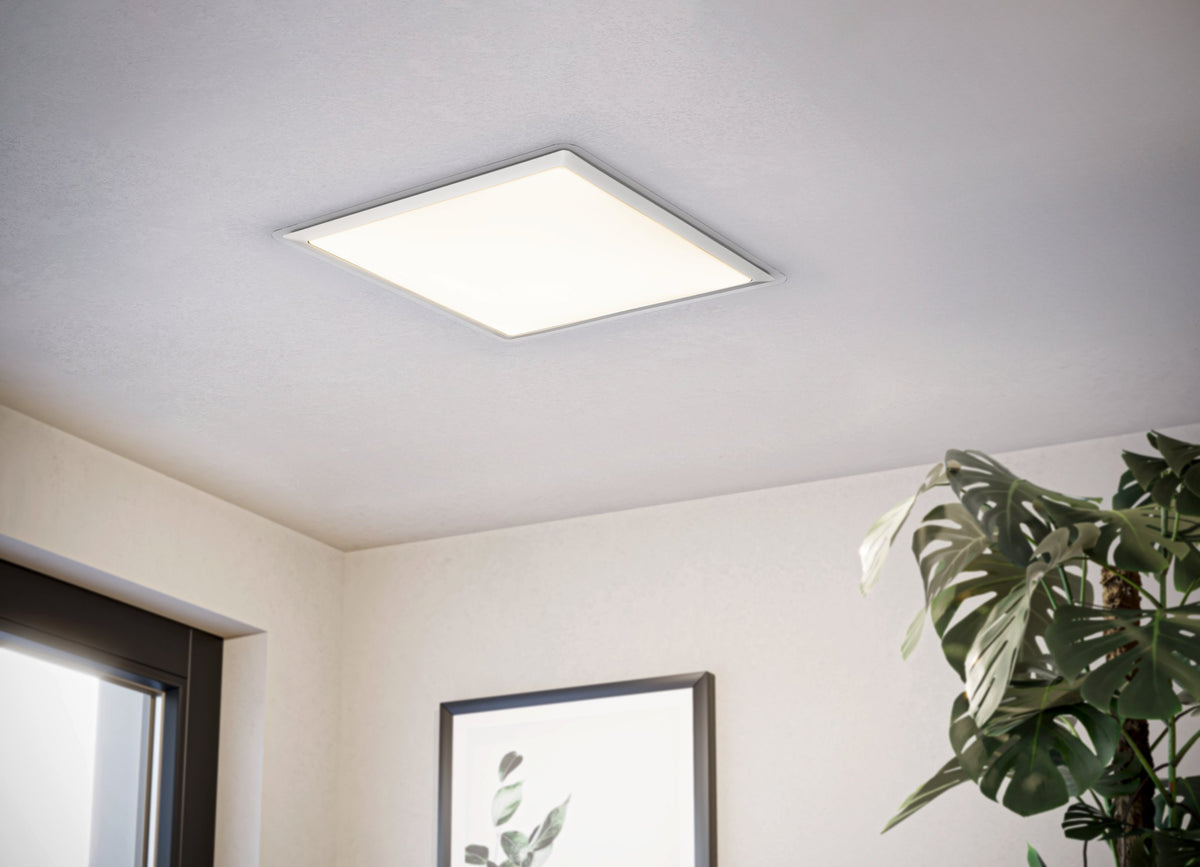
LED ceiling lights are a practical option for hallways, combining excellent energy efficiency with instant illumination and a long service life.
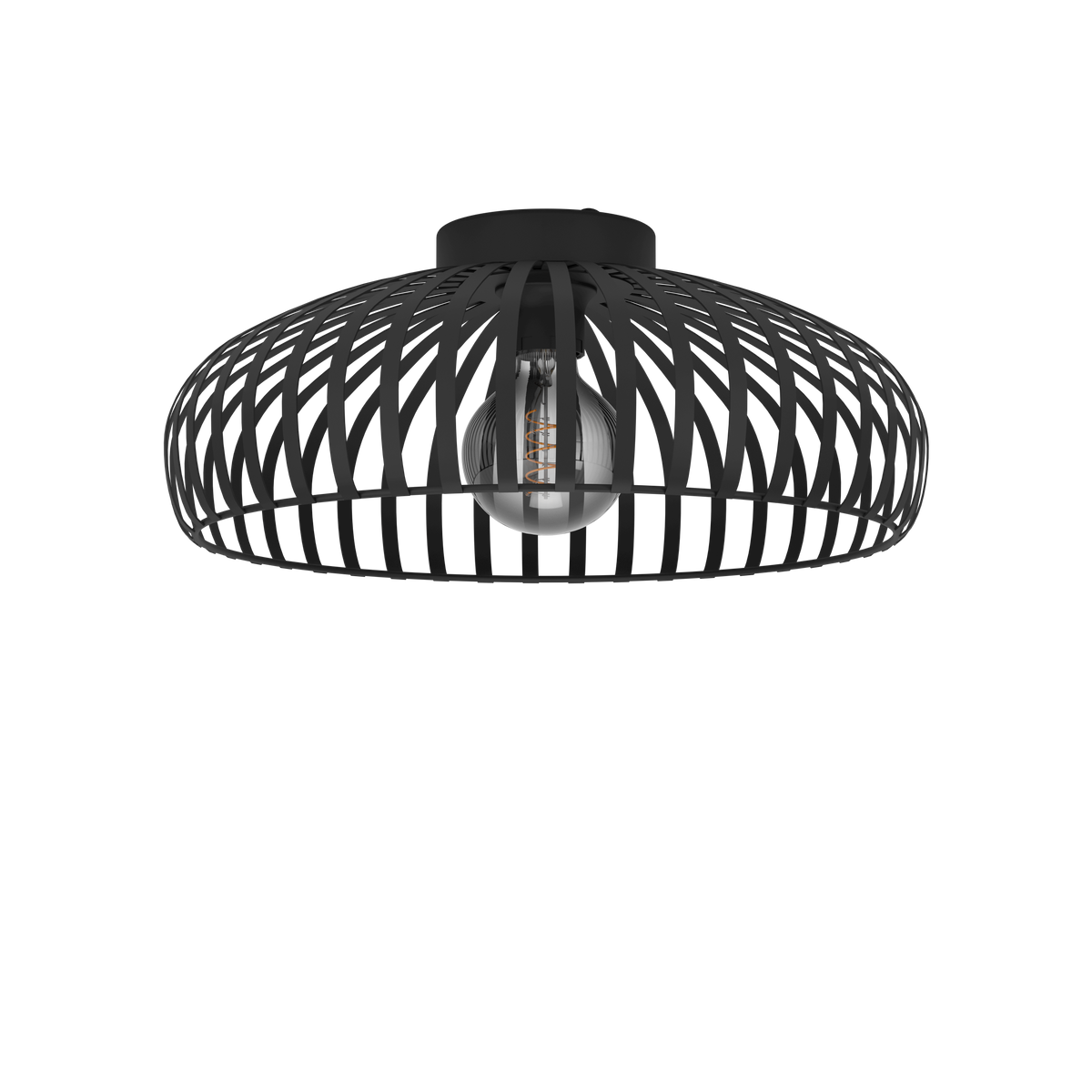
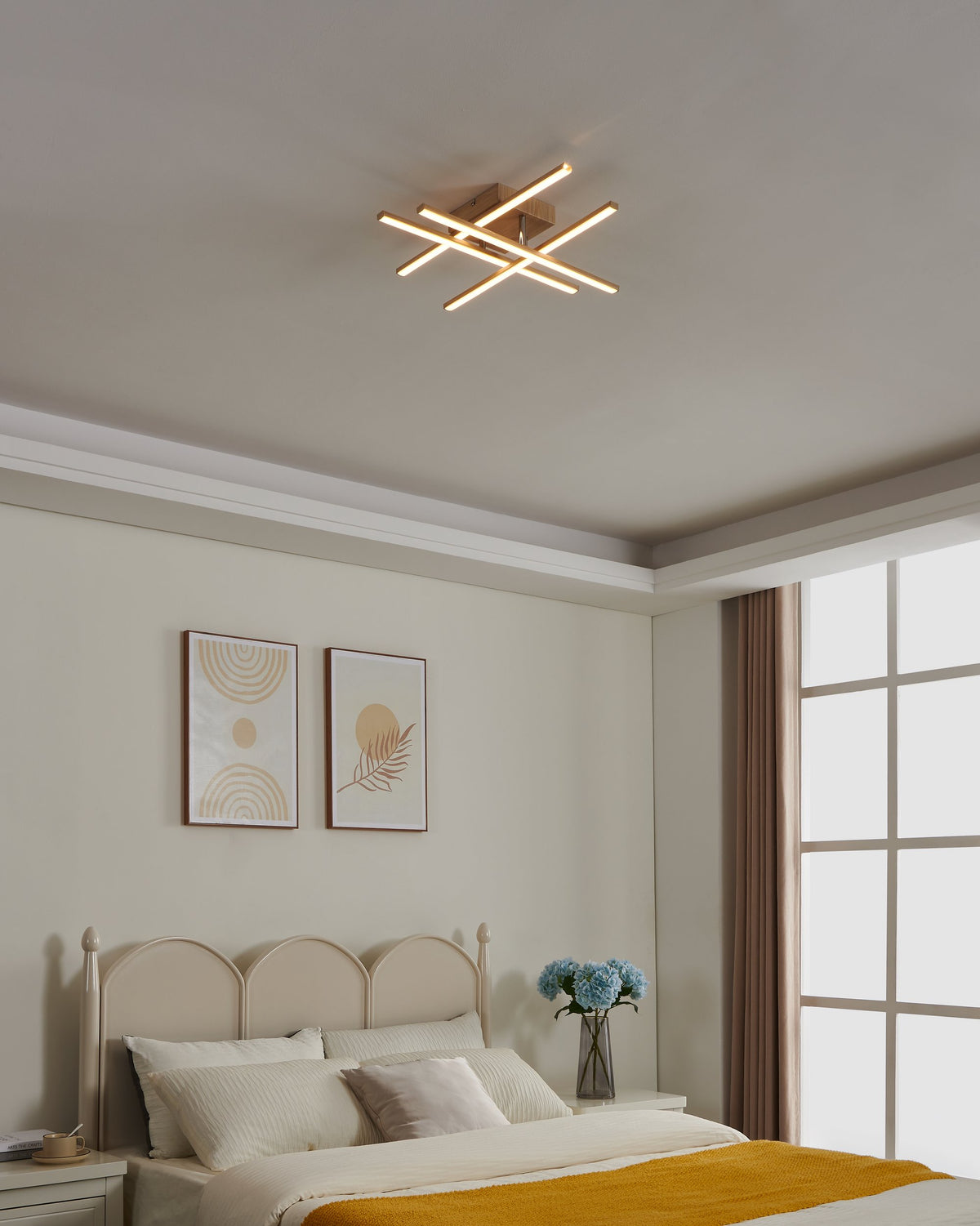
For hallways with lower ceilings, flush or low-profile ceiling lights can provide effective illumination without taking up unnecessary overhead space. Larger entrance halls and open-plan areas may suit wider or more decorative ceiling lights that also act as a design feature.
Wall Lights for Hallways
Hallway wall lights can complement ceiling lighting while adding another layer of illumination to your space. They can be used to brighten darker areas, highlight architectural features or simply create a warmer and more welcoming atmosphere.
Wall-mounted lights are particularly useful in narrow hallways because they provide additional illumination without taking up valuable floor space.
The ideal mounting height will depend on the design of the fitting, the ceiling height and the layout of the hallway. As a general starting point, wall lights are often installed approximately 1.6–1.8 metres above floor level, although positioning should always be adapted to the individual space.
Modern LED wall lights for hallways are available in a variety of compact and decorative designs, providing an energy-efficient and low-maintenance solution for everyday use.
Hallway Lighting
A well-planned hallway lighting scheme can combine several light sources to create a balanced and comfortable environment.
Ceiling lights can provide general illumination, while wall lights, spotlights and indirect lighting can be used to brighten specific areas or add decorative interest.
In longer or irregularly shaped hallways, distributing several light sources throughout the space can help reduce dark areas and create more even illumination.
Colour temperature also influences the overall appearance and atmosphere:
Warm White (2,700–3,300 K): creates a softer, more welcoming atmosphere and works particularly well in residential entrance areas
Neutral White (3,300–5,300 K): provides a clearer and more functional appearance where visibility is the priority
The best colour temperature will depend on your interior style, personal preference and how the hallway connects with neighbouring rooms.
LED Lights For Hallways
LED hallway lights are an excellent choice for frequently used areas of the home. LED technology combines low energy consumption with a long service life and instant illumination.
This can be particularly useful in hallways, where lights may be switched on and off frequently throughout the day.
Depending on the model, modern LED hallway lights may also offer features such as dimming, adjustable colour temperature or smart lighting controls, allowing you to adapt the illumination to suit your home.
Integrated LED technology can also enable slimmer and more compact designs, making it particularly suitable for modern hallways and spaces with lower ceilings.
Indirect Hallway Lighting
Indirect hallway lighting can create a softer lighting effect by directing light towards walls, ceilings or other surfaces rather than directly into the room.
LED strips, wall lights and other indirect light sources can be used to highlight architectural features or introduce subtle background illumination. This can be particularly effective when combined with the main ceiling lighting.
Light-coloured walls and ceilings generally reflect more light than darker surfaces, which can help a hallway feel brighter and more spacious.
Lighting For Narrow Hallways
Narrow hallway lighting should provide sufficient brightness without making an already compact space feel cluttered.
Flush ceiling lights and slim wall lights are particularly suitable because they take up minimal space while still providing effective illumination.
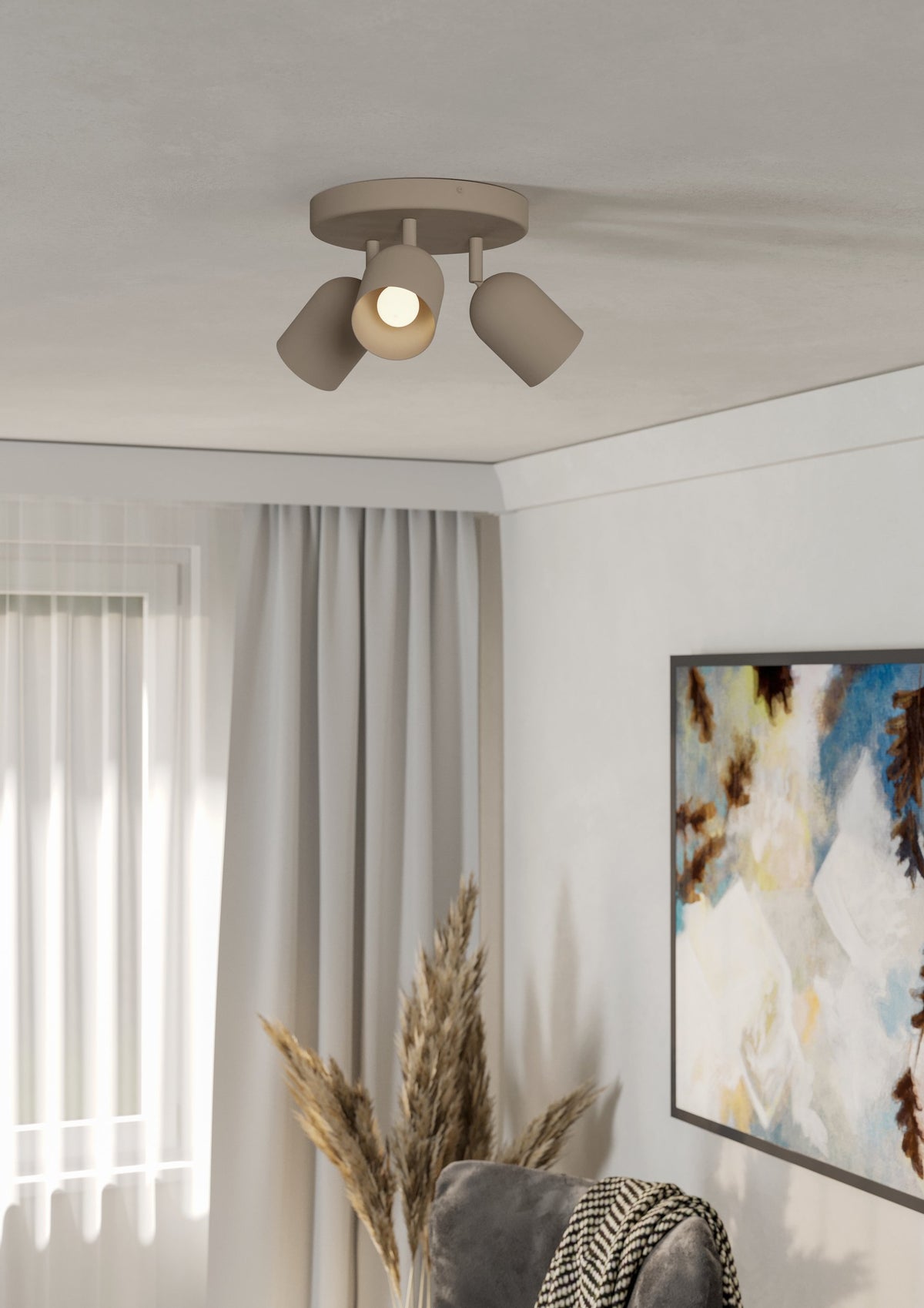
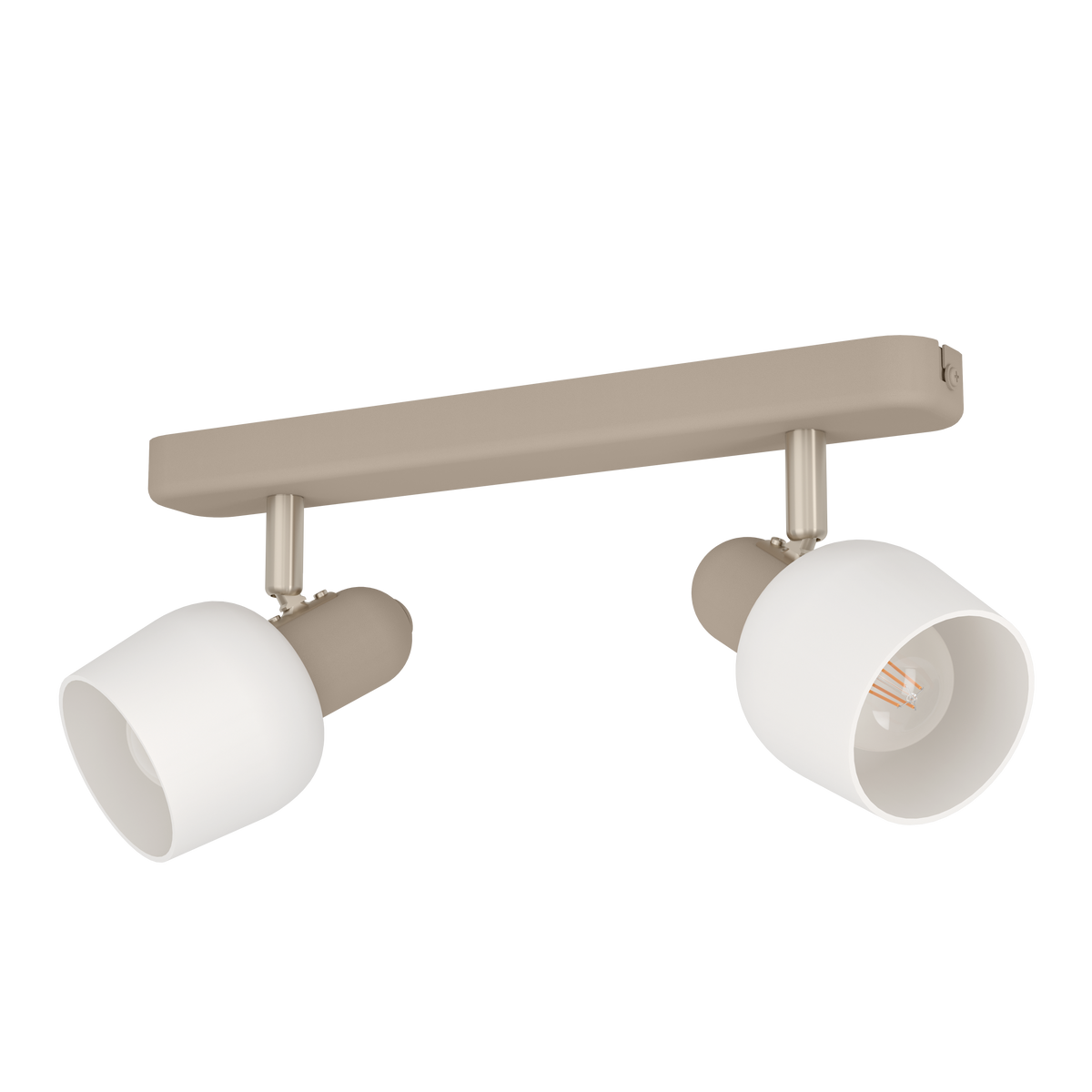
Spotlights can also be useful, allowing you to direct light towards specific areas or features. Choosing light-coloured walls and reflective surfaces can further help distribute light throughout a narrow hallway.
Where space is limited, avoid oversized fittings that project too far into the room or interfere with movement through the hallway.
Lights For Long Hallways
Long hallways often benefit from multiple light sources rather than relying on one central fitting.
A series of ceiling lights or spotlights positioned along the length of the hallway can help provide more consistent illumination and reduce darker areas between light sources.
Alternatively, combining ceiling and wall lights can create a layered lighting scheme while visually breaking up a long corridor.
Track lighting and recessed spotlights can also work well in suitable spaces, providing multiple points of illumination along the length of the hallway.
Hallway Lighting With Motion Sensors
Hallway lights with motion sensors provide convenient illumination by switching on automatically when movement is detected.
Motion sensor lighting can be particularly useful in entrance halls, corridors and other areas that you frequently pass through for short periods. Automatic activation can also be helpful when entering the home in the dark or when your hands are full.
Depending on the model and settings, motion sensor hallway lights can also help avoid unnecessary energy use by ensuring lights are only switched on when required
FAQ
Frequently Asked Questions
How bright should a hallway light be?
As a general guide, approximately 100–150 lumens per square metre (lm/m²) can be suitable for general hallway lighting.
For example, a 10m² hallway may require approximately 1,000–1,500 lumens of total illumination. However, the ideal brightness will depend on the hallway's dimensions, layout, colour scheme and the number and type of light fittings being used.
Which light colour is suitable for a hallway?
Warm white light of approximately 2,700–3,300 K is a popular choice for residential hallways and entrance areas because it creates a warm and welcoming atmosphere.
Neutral white light of approximately 3,300–5,300 K can provide a clearer, brighter appearance where practical visibility is particularly important.
The best option will depend on your personal preference and the lighting used in adjoining rooms.
How many lights does a hallway need?
The number of hallway lights required depends on the size, length and shape of the space.
A small entrance hall may only require one central ceiling light, while longer or angled hallways can benefit from several evenly positioned light sources.
Rather than focusing only on the number of fittings, consider whether the complete hallway is evenly illuminated without leaving excessively dark areas.
Are LED lights suitable for hallways?
Yes. LED lights are an excellent choice for hallways because they combine energy efficiency, long service life and instant illumination.
They are particularly practical for frequently used areas and are available in a wide range of designs, including ceiling lights, wall lights, spotlights and motion sensor lights.
Which lights are best for narrow hallways?
Flush ceiling lights, low-profile LED lights and slim wall lights are all good options for narrow hallways because they provide illumination without taking up unnecessary space.
Spotlights can also work well where directional lighting is required. The best choice will depend on the width and length of the hallway, ceiling height and overall interior style.
Are motion sensor lights good for hallways?
Yes. Motion sensor hallway lights can be a particularly convenient option for entrance halls, corridors and other frequently used passageways.
The light activates automatically when movement is detected, providing illumination when required without needing to find a wall switch. Depending on the settings, automatic switch-off can also help reduce unnecessary energy use.