






Bedroom Lighting
Bedroom Lights For A Relaxing & Comfortable Space
The right bedroom lighting can help create a comfortable atmosphere where you can unwind in the evening and start the day feeling refreshed. A well-planned lighting scheme combines practical illumination with softer, more relaxing light, allowing your bedroom to adapt to different activities and times of day.
At EGLO, you'll find a wide selection of bedroom lights combining contemporary design with practical lighting solutions. From ceiling lights and bedside lamps to wall lights, pendants and indirect LED lighting, there are plenty of ways to create a bedroom that feels both functional and inviting.
Rather than relying on a single bedroom light, combining several light sources can create a more flexible, layered lighting scheme. This allows you to use brighter illumination when getting ready, focused light for reading and softer lighting when it's time to relax.
Ceiling Lights For Bedrooms
A bedroom ceiling light will often provide the main source of general illumination. Ceiling lights help distribute light throughout the room, providing comfortable visibility for everyday activities such as getting dressed, tidying and moving around the space.
As a general guide, approximately 100–150 lumens per square metre (lm/m²) can provide a useful starting point for ambient bedroom lighting. For example, a 15 m² bedroom may require around 1,500–2,250 lumens of total general illumination.
The ideal brightness will depend on the size and layout of the room, wall colours, furnishings and any additional light sources being used.
Warm white light of approximately 2,700–3,300 Kelvin is a popular choice for bedrooms because it creates a soft, comfortable and relaxing atmosphere.
Dimmable bedroom ceiling lights offer even greater flexibility, allowing you to use brighter illumination when needed before reducing the light level to create a calmer environment in the evening.
Pendant Lights For Bedrooms
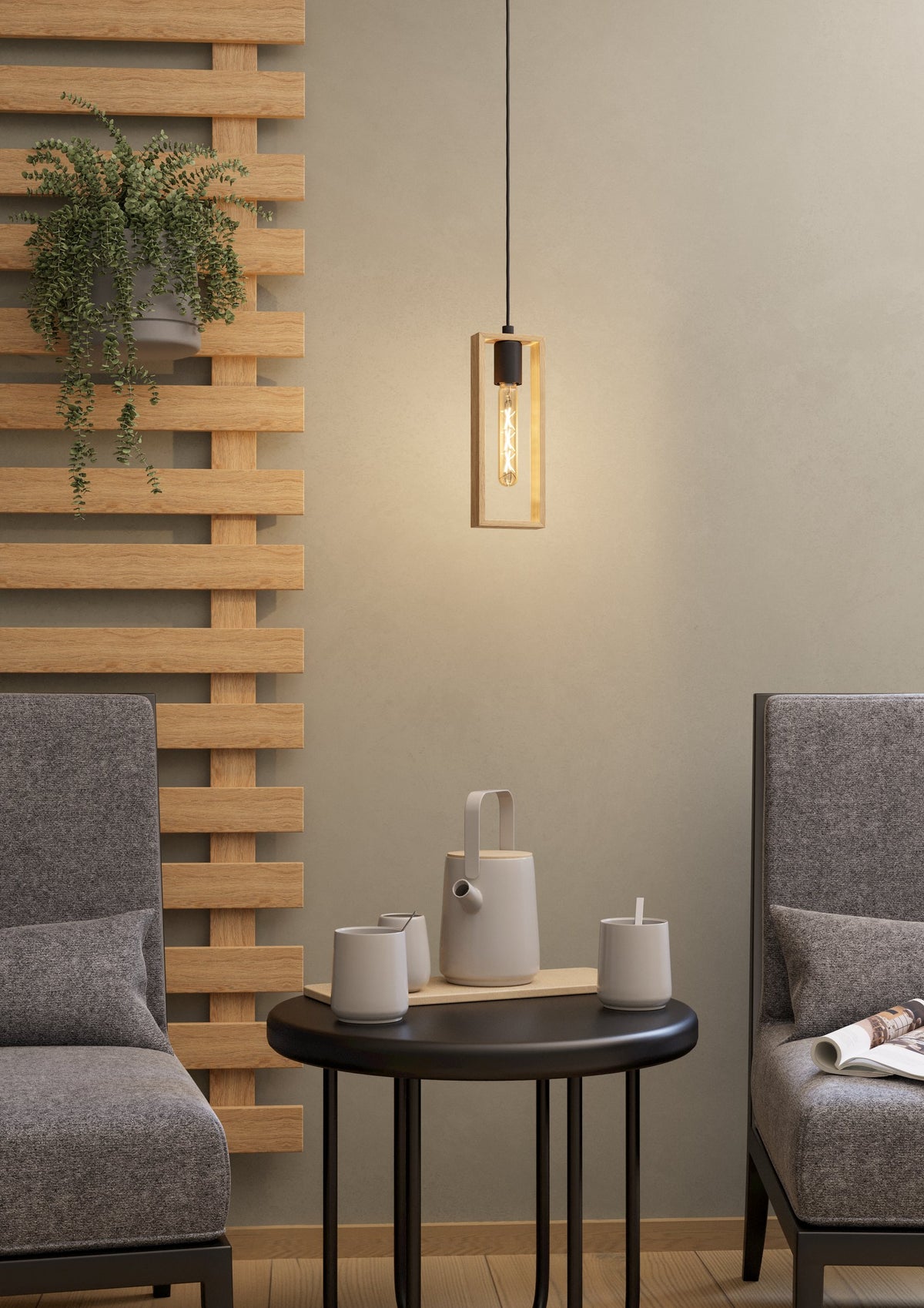
Bedroom pendant lights can provide an attractive alternative to traditional bedside lamps while introducing a contemporary design feature.
Smaller pendant lights positioned on either side of the bed can provide useful illumination while keeping bedside tables free from lamps. They can also create symmetry and help frame the bed as the focal point of the room.
Pendant lights can also be used above dressing areas or elsewhere within larger bedrooms to create defined lighting zones.
When positioning a bedroom pendant, consider the height of the fitting, surrounding furniture and how the space is used. The light should provide comfortable illumination without creating unnecessary glare or interfering with movement around the room.
Whether you choose a subtle design or a more decorative statement fitting, pendant lighting can combine practical illumination with an elegant, space-saving appearance.
Wall Lights For Bedrooms
Bedroom wall lights are an excellent choice when you want targeted illumination without taking up valuable bedside or floor space
Positioned beside the bed, wall lights can provide practical illumination for reading while creating a clean and uncluttered appearance.
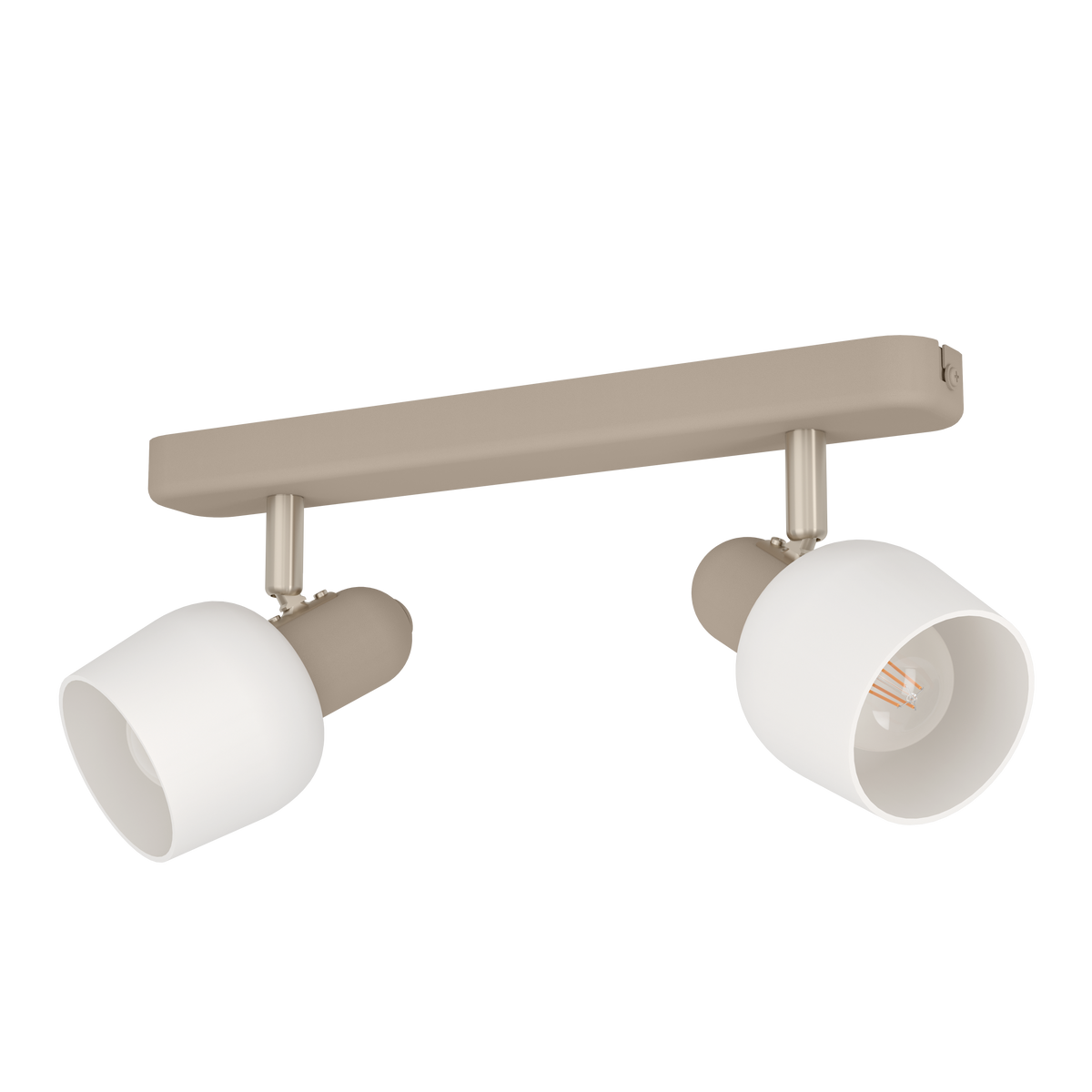
Adjustable wall lights with movable arms or directional lamp heads offer additional flexibility, allowing you to direct the light where it is required. Models with integrated switches can also be particularly convenient when used as bedside lighting.
Wall lights can also be used elsewhere in the bedroom to highlight artwork, architectural features or dressing areas.
Combined with a central ceiling light and softer ambient lighting, bedroom wall lights can help create a balanced and versatile lighting scheme.
Bedside Lamps
A bedside lamp is one of the most useful additional light sources in a bedroom. It can provide comfortable illumination for reading, relaxing or creating a softer atmosphere before going to sleep.
As a general guide, approximately 200–400 lumens can be suitable for many bedside lighting applications. However, the ideal brightness will depend on whether the lamp is primarily decorative or being used for reading.
Warm white light is a popular choice for bedside lamps because it creates a softer and more relaxing appearance. If your lamp uses a replaceable bulb, choosing the appropriate LED bulb allows you to select the brightness and colour temperature that best suits your needs.
Dimmable bedside lamps provide even greater control, allowing you to reduce the brightness when you want a softer atmosphere. Depending on the model, features such as touch controls or integrated switches can also make the lamp easier to operate from bed.
Indirect Lighting For Bedrooms
Indirect bedroom lighting is an effective way to introduce softer illumination and create a calm, relaxing atmosphere.
Rather than directing light straight into the room, indirect lighting illuminates surrounding walls, ceilings or furniture to produce a more diffused lighting effect.
LED strip lights can be installed behind headboards, beneath furniture or around shelving to introduce subtle background illumination. Wall lights and other fittings with indirect light distribution can achieve a similar effect.
Indirect lighting works particularly well as part of a layered bedroom lighting scheme. Combined with a ceiling light and bedside or reading lights, it gives you greater control over the atmosphere and allows you to reduce your reliance on bright general illumination in the evening.
Modern Bedroom Lights
Modern bedroom lights are characterised by clean lines, contemporary finishes and designs that complement rather than overwhelm the interior.
Minimalist ceiling lights, sleek wall lights and simple pendant designs can create a clean and uncluttered appearance, while modern table and floor lamps can introduce additional layers of illumination.
For greater flexibility, consider modern bedroom lights with features such as dimming or adjustable colour temperature.
Cosy Bedroom Lighting
Creating cosy bedroom lighting is often about combining several softer light sources rather than relying entirely on one bright ceiling fitting.
Warm white illumination and materials such as fabric, wood and glass can contribute to a comfortable and welcoming appearance. Bedside lamps, wall lights and indirect illumination can then be positioned around the room to create smaller pools of light.
This layered approach can help transform the bedroom into a comfortable and relaxing retreat.
LED Bedroom Lighting
LED bedroom lights combine excellent energy efficiency with a long service life, making them a practical choice for everyday lighting.
LED technology is available across ceiling lights, wall lights, bedside lamps, pendants and LED strips, allowing you to create a coordinated lighting scheme throughout the room.
Depending on the model, LED bedroom lighting may also offer dimming, adjustable colour temperature or smart controls. These features can help you adapt your lighting throughout the day, from brighter functional illumination in the morning to softer, warmer light in the evening.
FAQ
Häufig gestellte Fragen
How bright should bedroom lighting be?
As a general guide, approximately 100–150 lm/m² can provide a useful starting point for ambient bedroom lighting.
For example, a bedroom measuring 15 m² may require around 1,500–2,250 lumens of total general illumination.
The ideal brightness will depend on the room's size, layout, wall colours and other light sources. Bedside lamps, wall lights and indirect lighting can then provide additional illumination where required.
Which light colour is best for a bedroom?
Warm white light of approximately 2,700–3,300 K is a popular choice for bedrooms because it creates a comfortable and relaxing atmosphere.
For areas such as dressing tables where clearer task lighting may be useful, a different colour temperature can also be considered.
Lights with adjustable colour temperature offer additional flexibility, allowing you to change the appearance of the lighting depending on the activity or time of day.
Which combination of lights works best in a bedroom?
A layered lighting scheme is often the most effective approach.
This could combine a ceiling light for general illumination, bedside lamps or wall lights for reading and indirect lighting for a softer evening atmosphere.
Larger bedrooms may also benefit from additional pendant, floor or table lamps to illuminate specific areas such as dressing spaces or seating areas.
How many lumens should a bedside lamp have?
Approximately 200–400 lumens can provide a useful starting point for many bedside lamps.
If the lamp is primarily used for reading, you may prefer a brighter or more directional light. For decorative or ambient illumination, a lower light output may be sufficient.
Dimmable bedside lamps provide additional flexibility by allowing you to adjust the brightness for different activities.
Are LED lights suitable for bedrooms?
Yes. LED lights are an excellent choice for bedrooms because they combine energy efficiency with a long service life and are available in a wide variety of designs.
Many LED bedroom lights also include features such as dimming or adjustable colour temperature, making it easier to adapt the lighting for getting ready, reading and relaxing.